By DJ
November 10, 2026
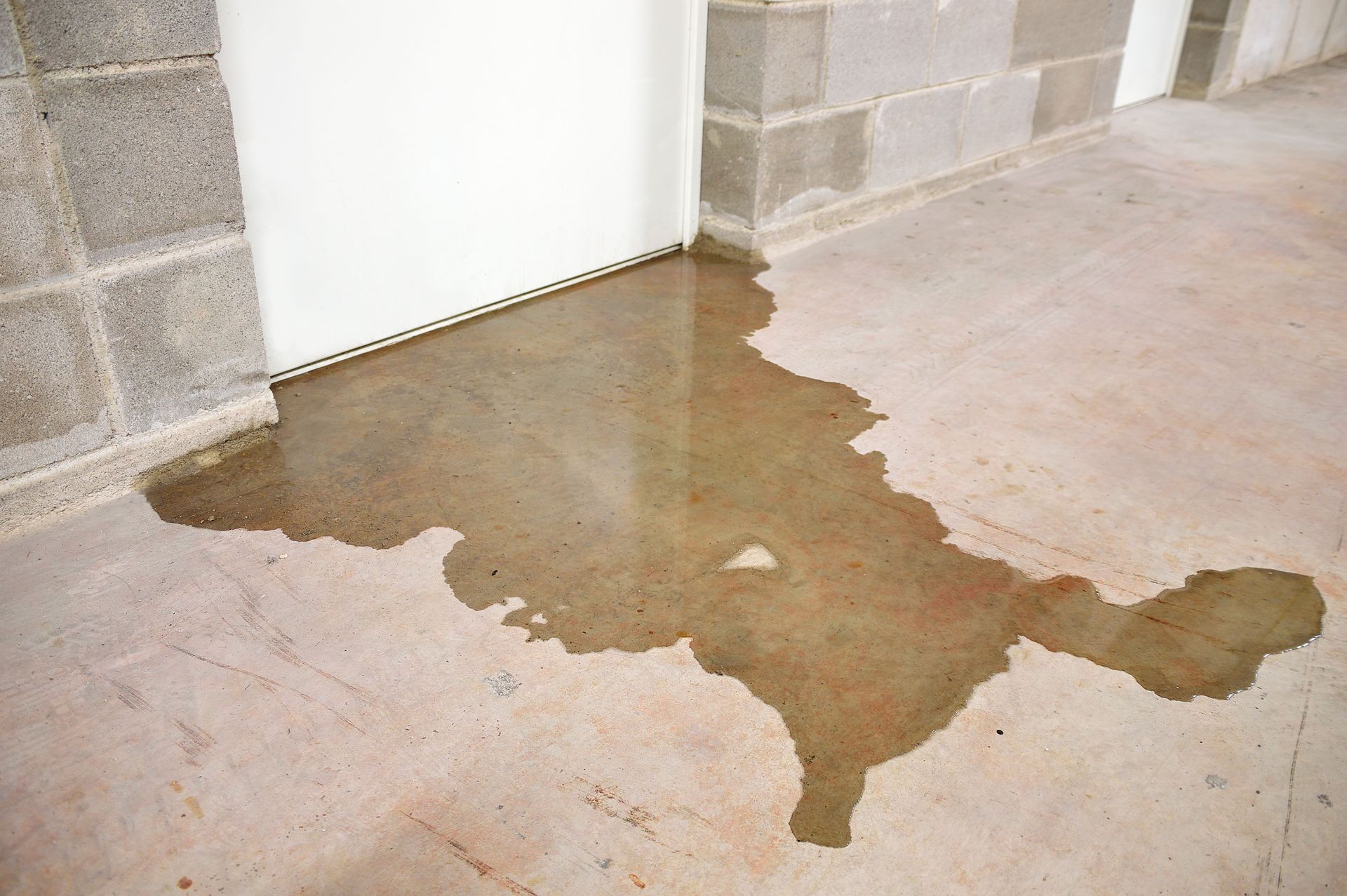
Heavy rainfall and severe storms can leave standing water around a home's foundation, crawl space, basement, and surrounding landscape. Although puddles may appear harmless initially, prolonged moisture exposure can threaten structural components and create conditions for expensive property damage. Water that accumulates near a building may penetrate foundation walls, weaken supporting soil, damage wooden framing, and encourage mold growth. These problems can develop gradually, making them difficult to recognize until visible deterioration occurs. Professional water remediation helps homeowners address moisture intrusion, identify affected materials, and reduce the likelihood of additional damage. Understanding how standing stormwater affects structural integrity can help property owners recognize warning signs, respond appropriately, and protect their homes against long-term deterioration.
Weakening Soil Around the Foundation
A home's foundation depends on surrounding soil to provide stable support and distribute structural loads. When stormwater accumulates near the building, excessive moisture can change the soil's characteristics. Certain soils expand when saturated and contract as they dry, creating movement beneath or beside foundation components. Repeated changes in moisture levels may contribute to uneven settlement, cracks, and other structural concerns that become increasingly difficult to correct.
Standing water can also wash away loose soil, creating voids near footings or other supporting structures. Professional assessments help determine whether moisture has affected ground stability and whether drainage improvements are necessary. Depending on the severity of the problem, contractors may recommend soil stabilization, grading adjustments, or additional structural evaluation. Addressing these conditions early helps reduce the risk of continued foundation movement and expensive repairs.
Increasing Pressure Against Foundation Walls
Water accumulating in soil beside basement walls and foundations can create hydrostatic pressure. This pressure develops when saturated ground holds water against below-grade structural surfaces. Over time, excessive pressure may contribute to cracks, seepage, or inward movement of vulnerable foundation walls. Homes with inadequate drainage systems or deteriorated waterproofing may experience particularly persistent moisture problems following heavy rainfall.
Professional water remediation can help address water that has entered basements or other enclosed areas while identifying conditions that encourage recurring intrusion. Contractors may evaluate visible cracks, drainage components, and moisture patterns to determine whether specialized foundation repairs are needed. Exterior drainage improvements, waterproofing measures, and appropriate grading can help reduce future water accumulation. Significant wall movement or structural cracking should be evaluated by qualified structural professionals before repairs proceed.
Damaging Wooden Framing and Support Components
Wooden structural components can deteriorate when exposed to persistent moisture. Floor joists, sill plates, subflooring, and framing members may absorb water following basement flooding or crawl space intrusion. Prolonged dampness creates favorable conditions for fungal decay, which can gradually reduce the strength of affected wood. Even when surfaces appear dry, moisture trapped within building materials may continue contributing to deterioration.
A professional water remediation team can assess moisture conditions using appropriate inspection equipment and determine which materials require drying, cleaning, or replacement. Structural wood that has experienced significant decay may need evaluation by qualified contractors before repairs begin. Prompt moisture removal and controlled drying help limit additional deterioration. Homeowners should avoid assuming that visibly dry surfaces indicate complete recovery, particularly when water has reached concealed framing or subflooring.
Encouraging Mold Growth in Hidden Areas
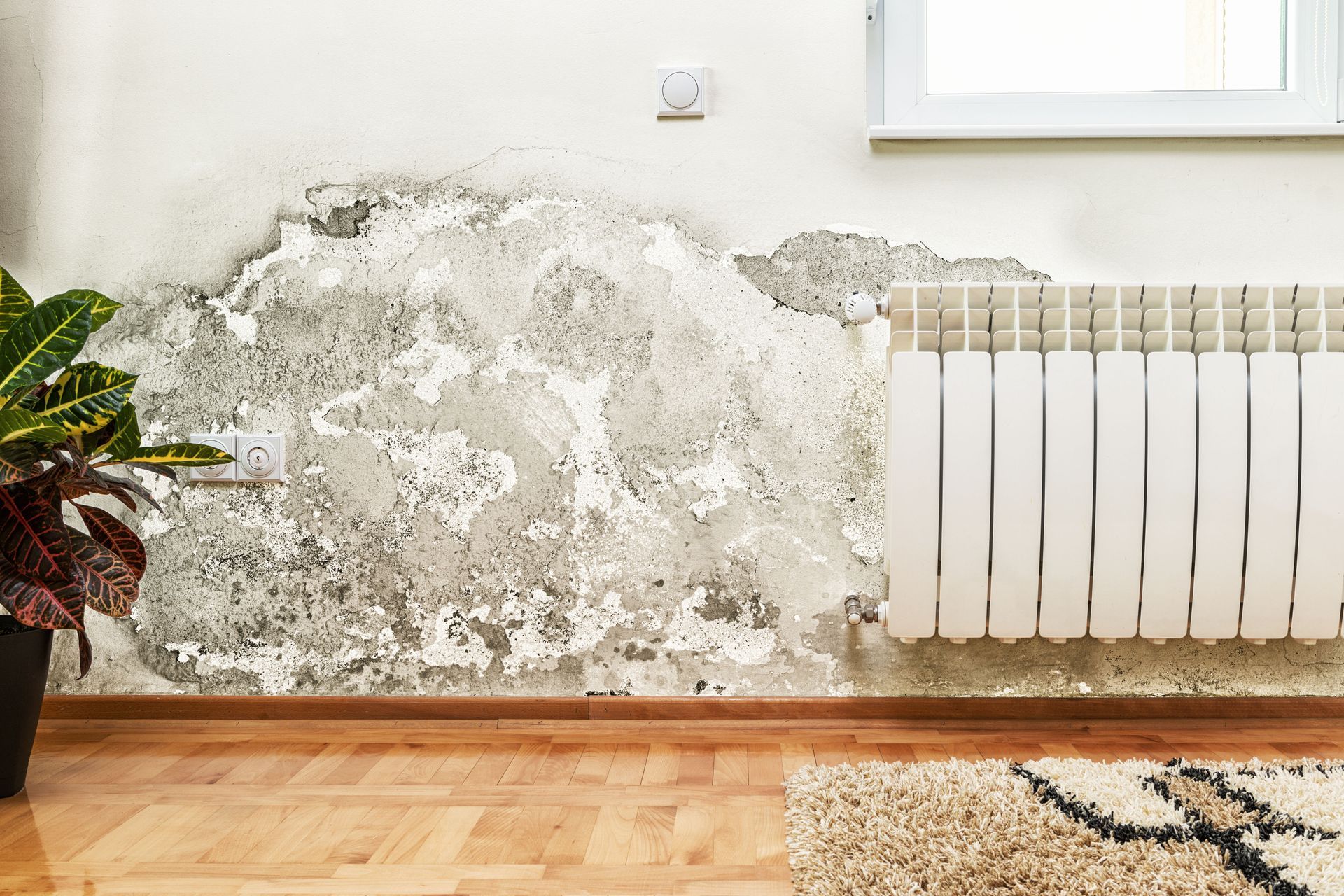
Standing stormwater can introduce moisture into wall cavities, insulation, flooring, and other concealed spaces. When these materials remain damp, mold growth may develop on suitable surfaces. Mold can damage certain building materials and create indoor air quality concerns, especially for occupants with respiratory sensitivities. Because affected areas are not always visible, homeowners may notice musty odors or persistent dampness before recognizing the full extent of the problem.
Professional water remediation includes evaluating affected materials and establishing appropriate drying and contamination-control procedures. Depending on conditions, damaged porous materials may require removal rather than ordinary surface cleaning. Moisture measurements can help identify areas that need additional attention. Addressing the underlying water source is equally important because cleaning visible mold without correcting moisture intrusion may allow the problem to return. Thorough evaluation supports healthier indoor conditions and helps protect vulnerable building components.
Compromising Concrete and Masonry Materials
Concrete and masonry are durable construction materials, but they are not completely resistant to moisture-related problems. Water can penetrate cracks, joints, and porous surfaces, potentially contributing to deterioration over time. In colder climates, repeated freezing and thawing of absorbed moisture may worsen existing cracks. Persistent saturation can also affect mortar joints and expose reinforcing steel to conditions that encourage corrosion when water reaches embedded metal components.
Contractors evaluating stormwater damage may inspect foundation surfaces, masonry walls, and concrete floors for cracking, staining, or other visible deterioration. Appropriate repairs depend on the material, the source of moisture, and whether structural movement has occurred. Sealing isolated openings may help in certain situations, but significant water pressure or foundation instability requires more comprehensive solutions. Identifying the underlying cause helps prevent temporary repairs from concealing continuing problems.
Undermining Drainage and Exterior Structures
Standing water frequently indicates that a property's drainage system is not directing rainfall away from vulnerable areas. Clogged gutters, disconnected downspouts, poorly graded soil, and obstructed drainage channels can allow water to collect beside foundations. Excessive runoff may also erode soil beneath walkways, patios, retaining walls, and other exterior improvements. These conditions can contribute to settlement, surface cracking, and movement of structures surrounding the home.
Preventing recurring problems often requires evaluating how water travels across the property during storms. Contractors may recommend extending downspouts, correcting grading, clearing drainage systems, or installing appropriate water-management features. Solutions should account for local conditions and avoid redirecting runoff toward neighboring properties. Maintaining effective drainage reduces prolonged soil saturation and helps protect foundations and exterior structures from unnecessary moisture exposure.
Extending Restoration Time and Repair Costs
Stormwater damage can become increasingly expensive when moisture remains untreated. Materials that might initially be dried may require replacement after prolonged exposure, while concealed damage can complicate restoration. Severe flooding may also involve contaminated water, damaged electrical components, and structural concerns requiring specialized attention. According to HomeGuide, restoration following extensive damage from natural disasters or contaminated water can take three weeks to several months, with timelines largely dependent on contractor availability.
Scheduling professional water remediation promptly can help establish the extent of damage and identify appropriate restoration priorities. Contractors may need to coordinate water extraction, drying, cleaning, material removal, and repairs with other qualified specialists. Project timelines depend on contamination levels, structural conditions, material availability, and the amount of reconstruction required. Early documentation and communication with insurance providers may also help homeowners understand applicable coverage and organize necessary repairs.
Preventing Recurring Structural Moisture Problems
Restoring a home after stormwater intrusion involves more than removing visible water. If the conditions responsible for moisture accumulation remain unchanged, future storms may produce similar damage. Homeowners should evaluate recurring puddles, damp basement walls, crawl space moisture, and drainage problems that persist after rainfall. These warning signs can indicate that additional protective measures are necessary to maintain the property's structural condition.
A comprehensive water remediation plan can address immediate moisture damage while supporting recommendations for long-term prevention. Depending on the property, solutions may involve drainage improvements, waterproofing repairs, sump pump maintenance, or modifications to exterior grading. Regular inspections of gutters, foundation walls, and surrounding landscaping can help identify developing problems. Homeowners should also monitor previously affected areas for renewed dampness. Combining restoration with preventive maintenance helps reduce repeated damage and supports long-term structural stability.
Standing stormwater can threaten a home's structural integrity by saturating supporting soil, increasing foundation pressure, damaging wooden framing, and contributing to moisture-related deterioration. Persistent water intrusion may also encourage mold growth, affect concrete and masonry, and undermine exterior drainage systems. Addressing these problems requires identifying the source of moisture rather than focusing exclusively on visible damage. Professional water remediation helps property owners evaluate affected areas, coordinate necessary restoration, and reduce the likelihood of recurring complications. Prompt attention can limit further deterioration, although severe structural problems may require additional engineering or specialized repair services. Homeowners should remain attentive to standing water, foundation cracks, musty odors, and other warning signs following significant storms. For assistance with storm-related water damage and property restoration, contact Professional Fire Restoration today.