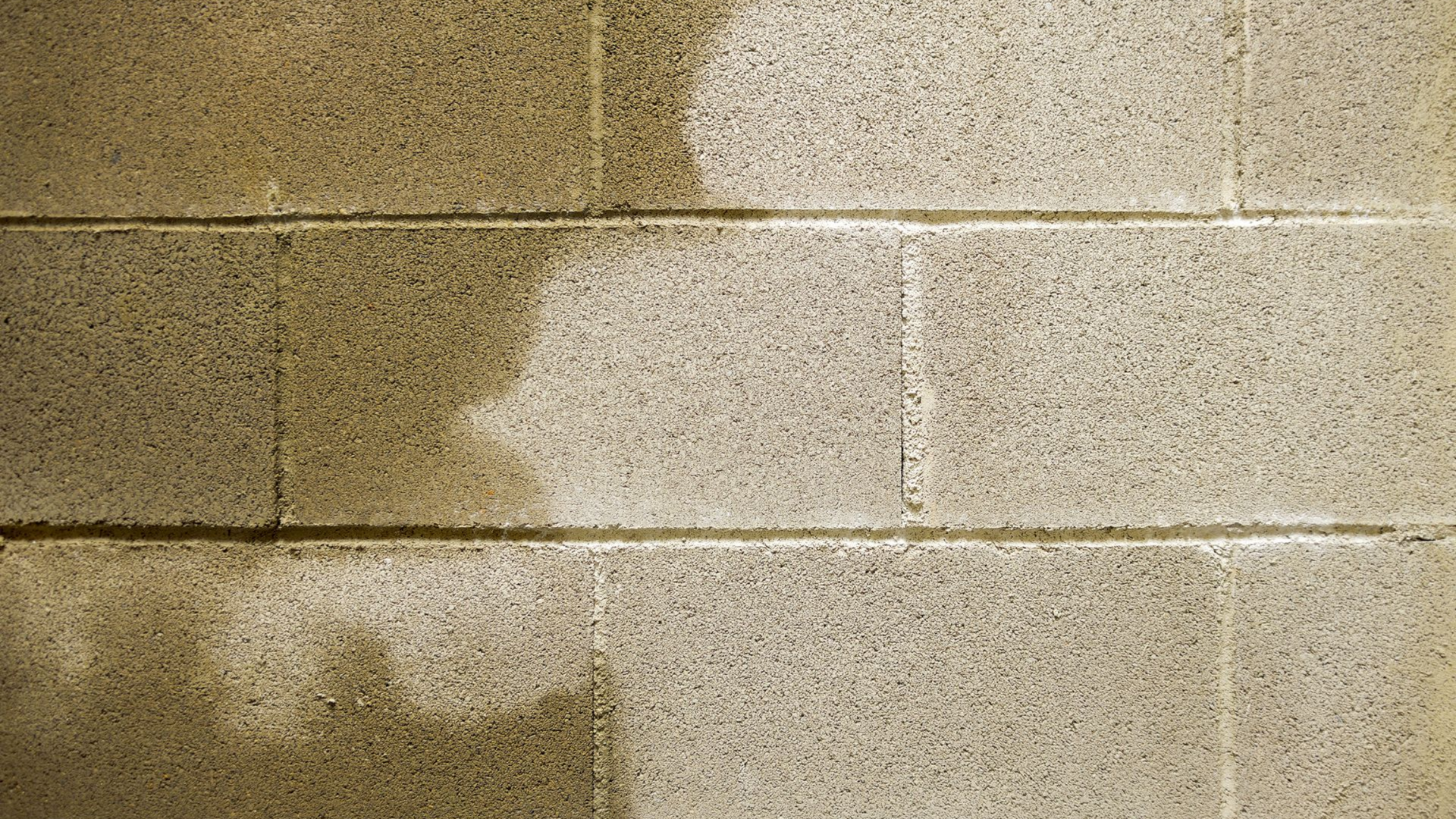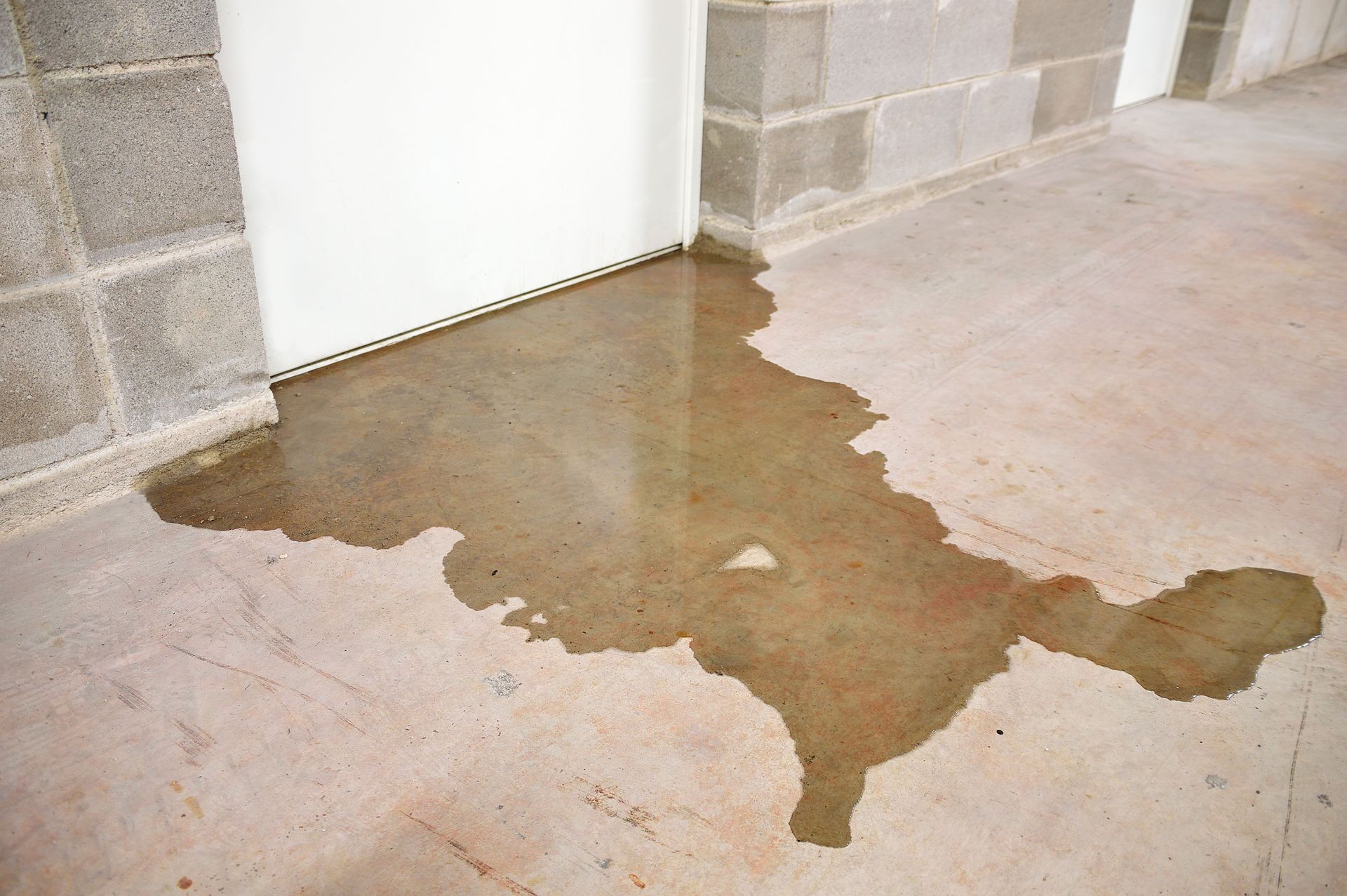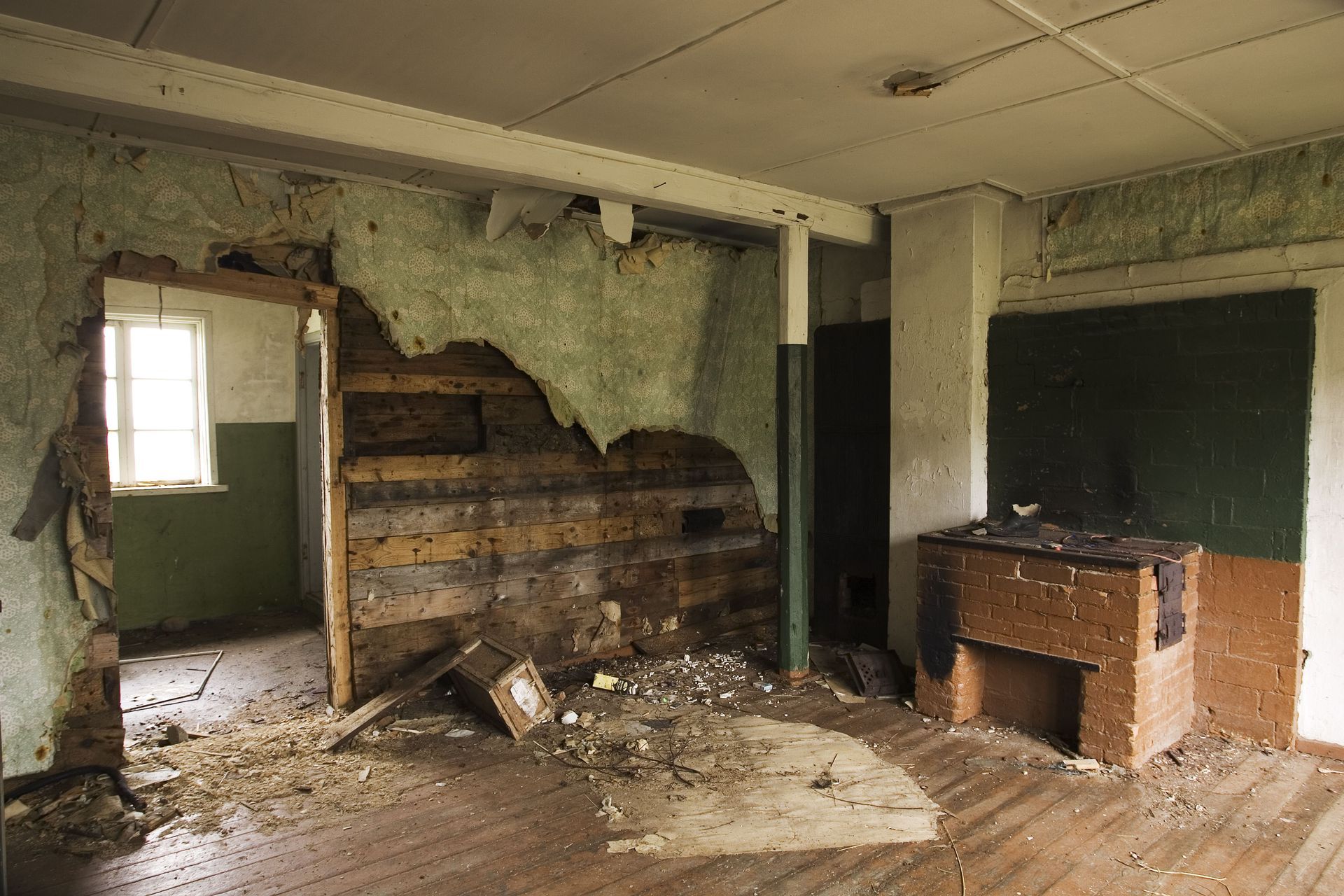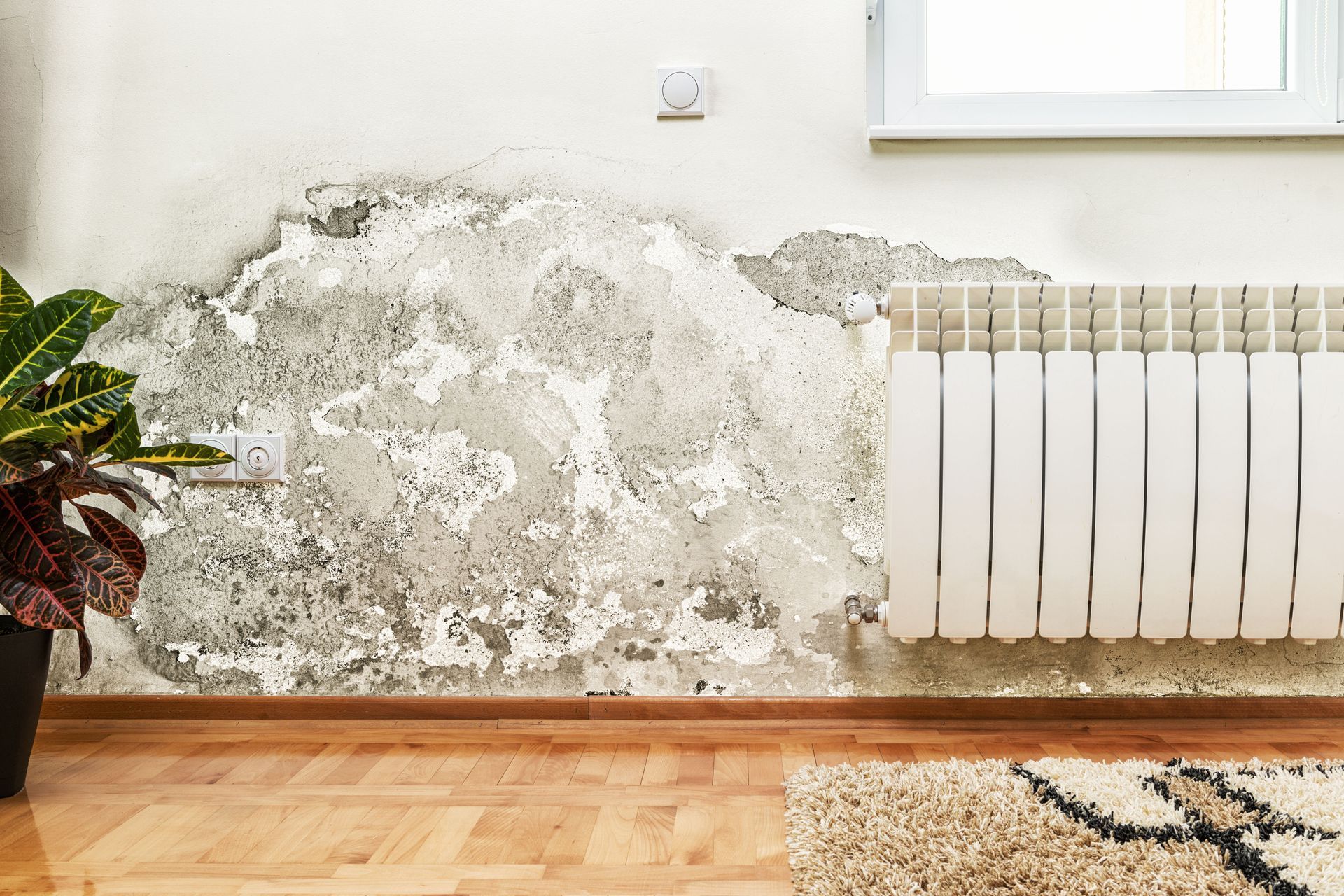
Walking down the stairs to step into a puddle is a homeowner's nightmare. A wet basement disrupts daily life and threatens your property. Many attempt a DIY cleanup with a mop and box fans. That approach rarely solves the underlying moisture problem. Bringing in local water remediation experts is the safest way to protect your home. They have the specialized tools needed to mitigate the damage before it worsens.
When moisture seeps into the lower levels of a home, time is of the essence. Water ruins belongings and weakens wooden support beams while seeping into porous concrete slabs. The longer the area stays damp, the higher the risk for long-term complications like wood rot. Professional restoration teams follow a proven process to salvage the space. From emergency response to the final rebuild, their systematic methods ensure your lower level becomes safe and dry.
Extracting Standing Water to Prevent Secondary Damage
The first priority after a flood is removing the visible water quickly. Standing water continues to soak into the concrete slab, drywall, and baseboards every minute it remains untouched. Technicians arrive equipped with industrial pumps and heavy-duty wet vacuums. These machines handle high volumes of liquid faster than any standard shop vacuum. By acting swiftly, technicians stop the moisture from migrating into unaffected rooms or climbing higher up the walls.
Prompt extraction is a crucial defense against secondary damage. When water sits for more than 24 hours, materials begin to swell, warp, and break down on a cellular level. Getting local water remediation professionals on site early means saving expensive materials that would otherwise need replacing. They identify hidden pockets of moisture that homeowners typically miss. Using digital moisture meters and thermal imaging cameras, the crew locates damp spots behind the drywall without tearing the room apart.
Removing the bulk of the floodwater creates a safer environment for everyone involved in the cleanup effort. Contaminated water poses health risks, especially if it originates from a backed-up sewer line or a flooded river. Protective gear and specialized extraction techniques keep these hazards contained. Once surface water is gone, the team can accurately assess the true extent of the damage. This evaluation sets the stage for the next phase of the recovery operation and determines the equipment needed.
Deploying Advanced Drying to Stop Mold Growth
Surface extraction alone doesn't make a basement dry or safe for habitation. Building materials retain significant amounts of moisture deep within their porous layers. To combat this, technicians deploy commercial air movers and desiccant dehumidifiers throughout the affected zone. The air movers generate high-velocity airflow across wet surfaces to force trapped moisture out into the air. The dehumidifiers then capture that airborne moisture and pull it out of the environment, draining it safely away through specialized hoses.
This combination of constant airflow and robust dehumidification is essential for halting fungal growth. Mold spores thrive in damp, dark spaces and can start multiplying within 48 hours of a water event. Over 98% of all basements in the U.S. experience at least one instance of water damage, according to Ruby Home. Given how common these incidents are, having an aggressive drying strategy is vital for maintaining a healthy indoor environment and preventing infestations from spreading.
Monitoring the drying progress is as important as setting up the equipment. Specialists take daily humidity and temperature readings to track moisture levels in the air and structural materials. They adjust the placement of fans and dehumidifiers daily to ensure every corner of the room dries evenly. A local water remediation crew won't remove their drying equipment until the moisture readings return to normal baseline levels documented before the flood occurred.
Repairing Compromised Elements to Restore the Space
After the structure is verified dry, the focus shifts to repairing the physical destruction left behind by the floodwaters. A dependable local water remediation team handles both the initial drying phase and the final reconstruction. This seamless transition prevents frustrating scheduling delays and keeps your project moving forward without finding additional contractors. The ultimate goal is to return your home to its prior condition, whether that means patching a few drywall holes or rebuilding a finished basement from scratch.
Materials submerged too long or exposed to contaminated water usually require full replacement to ensure safety. Drywall acts like a sponge, drawing water upward and crumbling apart as it dries. Technicians cut away the ruined sections and remove soaked insulation to expose the wooden studs underneath. They sanitize the bare framing to eliminate lingering bacteria before installing fresh insulation and hanging new panels. Flooring materials like carpet pads and laminate boards are also typically discarded and replaced with fresh materials.
Structural repairs go beyond cosmetic fixes like paint and trim. If standing water weakens the wooden support beams or framing elements, contractors must reinforce or replace those specific sections to keep the house structurally sound. They apply mold-resistant coatings to the wood to offer an extra layer of protection against future moisture issues. Once the structural components are secure, the crew finishes the job with fresh paint, new baseboards, and updated flooring to make the lower level look like new.
Navigating Insurance Claims to Simplify the Recovery
Dealing with a flooded basement is stressful without the added headache of confusing insurance paperwork. Filing a property claim requires documentation, and making a minor mistake can lead to denied coverage or reduced payouts. Professional contractors understand the complicated language and strict requirements of the insurance industry. They document the property loss thoroughly from the moment they step onto the premises. They take dozens of photographs, record detailed moisture readings, and compile lists of damaged household materials.
Having this verifiable paper trail makes a significant difference during the evaluation of the claims process. Your local water remediation provider communicates directly with the insurance adjuster assigned to your case. They share digital records and provide line-by-line estimates for the necessary mitigation and repair work required. This transparent communication helps the adjuster grasp the full scope of the disaster, preventing back-and-forth disputes over project pricing. When seasoned professionals advocate for you, it often results in a smoother approval process and a fairer settlement.
The administrative support offered by a reputable restoration company allows you to focus on your family instead of arguing over specific claim details. They know which remediation techniques are covered under standard homeowner policies and how to code those services correctly on the final invoice. If the adjuster has questions about why a particular drying method was used, the technicians provide the scientific moisture data to justify their actions. Their industry expertise bridges the gap between the physical cleanup operation and your eventual financial recovery.
Recovering from a severe basement flood requires far more than soaking up visible puddles with towels. It demands a systematic approach that addresses both the immediate water intrusion and the hidden threat of structural decay. From deploying industrial extractors to installing brand-new drywall, experienced professionals manage every aspect of the disaster response. Their methodical drying techniques prevent hazardous mold from taking root in your home. Furthermore, their ability to handle the complex insurance claims process takes a heavy burden off your shoulders.
Homeowners should never underestimate the destructive power of lingering moisture in a dark space. Delaying action only gives the water more time to seep into the concrete foundation and compromise the safety of the whole building. Scheduling local water remediation services ensures your property receives the comprehensive care it needs.
When disaster strikes your home, contact Professional Fire Restoration for reliable local water remediation to thoroughly dry and repair your basement.